Contents
What matters most is your daily intake, not meal timing
Ask in any gym what to eat before training and you'll hear about bananas, oats and the 30-minute shake, though none of that is near the top of the list. What decides your results first is the calorie count for the whole day, set for a deficit, maintenance or a surplus depending on your goal. Close behind comes daily protein, 1.6-2.2 g per kilogram for people who train regularly, as explained in Dietary protein: recommended intake and sources, ideally split into 20-40 g at each of your main meals. Timing only enters the picture after that.
So a clever snack won't fix a diet that's short on protein, but once the day as a whole is in order, eating well before and after a session does let you lift a little more and recover a little faster.
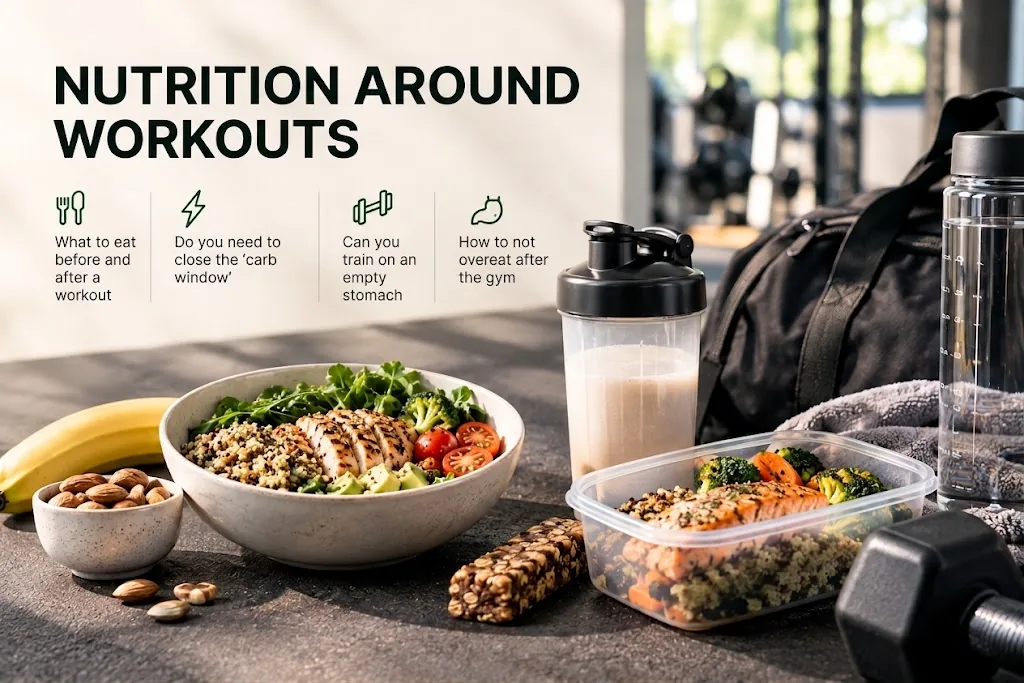
What to eat before a workout
Before training you want energy and a quiet stomach. That's why the meal should be mostly carbohydrate with a bit of protein, with fat and fiber kept low, since both take a long time to digest and are the usual reason people feel heavy and slow on the first set of squats.
| How long before | What to eat | Example |
|---|---|---|
| 2-3 hours | A full meal | Buckwheat or rice with chicken and vegetables |
| 1-1.5 hours | A light meal | Oatmeal with banana, yogurt with crispbread |
| 30-60 minutes | Fast carbs | A banana, a few dates, a glass of kefir |
If you feel heavy during the workout, leave more time or eat less. People differ a lot here: some can run an hour after a bowl of buckwheat, others need three.
Is fasted training OK?
It is, if the session is light or moderate and lasts under an hour, the kind of morning jog, brisk walk or yoga class people do before work. Over the whole day you burn as much fat as you would after breakfast, because what decides the result is still the day's calorie deficit, not whether your stomach was empty at seven.
Heavy lifting, intervals and long sessions are a different matter. On an empty stomach they tend to go worse, with less energy and lighter weights on the bar, and if you feel dizzy halfway through a set, stop and eat the banana you've got in your bag.
What to eat after a workout
After training, muscles need protein to repair, and after a hard session the body also wants carbohydrates to refill its glycogen. About 20-40 g of protein is plenty, which is a normal serving of chicken, fish or cottage cheese, two or three eggs or one protein shake. The carbs can come from rice, potatoes, bread or fruit, in amounts that depend on your goal and on how hard you went. After a long session in the heat, weigh yourself before and after and drink about half a litre of water for each kilogram that's gone.
That could be cottage cheese with berries and a couple of crispbreads, rice with fish and a salad, a three-egg omelette with whole-grain toast, or, if dinner is hours away, a glass of kefir and a banana on the bus home.
Is the "anabolic window" real?
For years gym lore said you had to eat within 30 minutes of your last set or lose the effect. In 2013 Brad Schoenfeld and Alan Aragon pooled the studies on protein timing and found that muscle grew the same as long as total daily protein was the same. If you ate 2-3 hours before training, the "window" stays open for hours, so there's no need to gulp a shake in the locker room.
It's worth hurrying only if you trained fasted or have a second session later that day. Otherwise go home and eat normally within an hour or two.
Runners, cyclists and skiers out for longer than an hour and a half are a separate case. They need carbs on the move, 30-60 g an hour, which is why every marathon hands out gels, sports drinks and banana slices along the course. An ordinary hour in the gym doesn't call for any of that.
How not to overeat after the gym
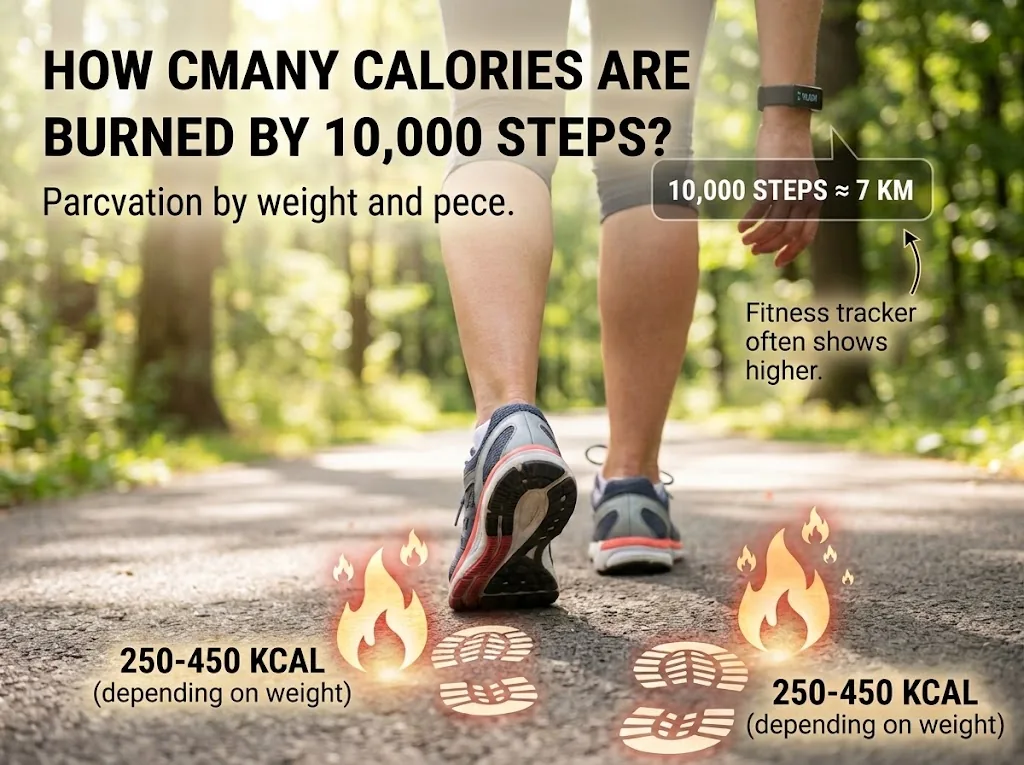
People who train to lose weight most often trip over the same thing: they eat back everything they burned and a bit more. Part of the blame goes to watches and gym machines, which overstate the burn, sometimes by 30-50%. In reality an hour of strength training burns about 200-400 kcal and a 5 km run 300-400 kcal depending on body weight, which is roughly one plate of plov. The other part is appetite, because after a hard session you are genuinely hungry, and a "well-earned" burger on the way home easily cancels the whole workout.
That's why it helps to decide on your post-workout dinner in the morning rather than in front of a fridge when you're starving. There's no need to eat back the number on your watch, since your calorie target already includes training through the activity factor, and if you've started training more often, simply recalculate it in the calorie calculator. Start the plate with protein and vegetables, which fill you up best, and don't arrive at the gym very hungry, because the hungrier you are before, the hungrier you'll be after.
If you have diabetes or a heart condition, are pregnant or are preparing for a competition, it's worth planning your food and training with a doctor or a sports dietitian.
The bottom line
The snack an hour before the gym and the shake right after it matter far less than they seem until the basics are in place, which is how many calories and how much protein you eat over the whole day. Once that's sorted, it's enough to eat 2-3 hours before training or grab a banana half an hour before, and then have a normal meal within an hour or two afterwards, remembering that the workout burned less than your watch claimed.

We check blog materials against current WHO recommendations.