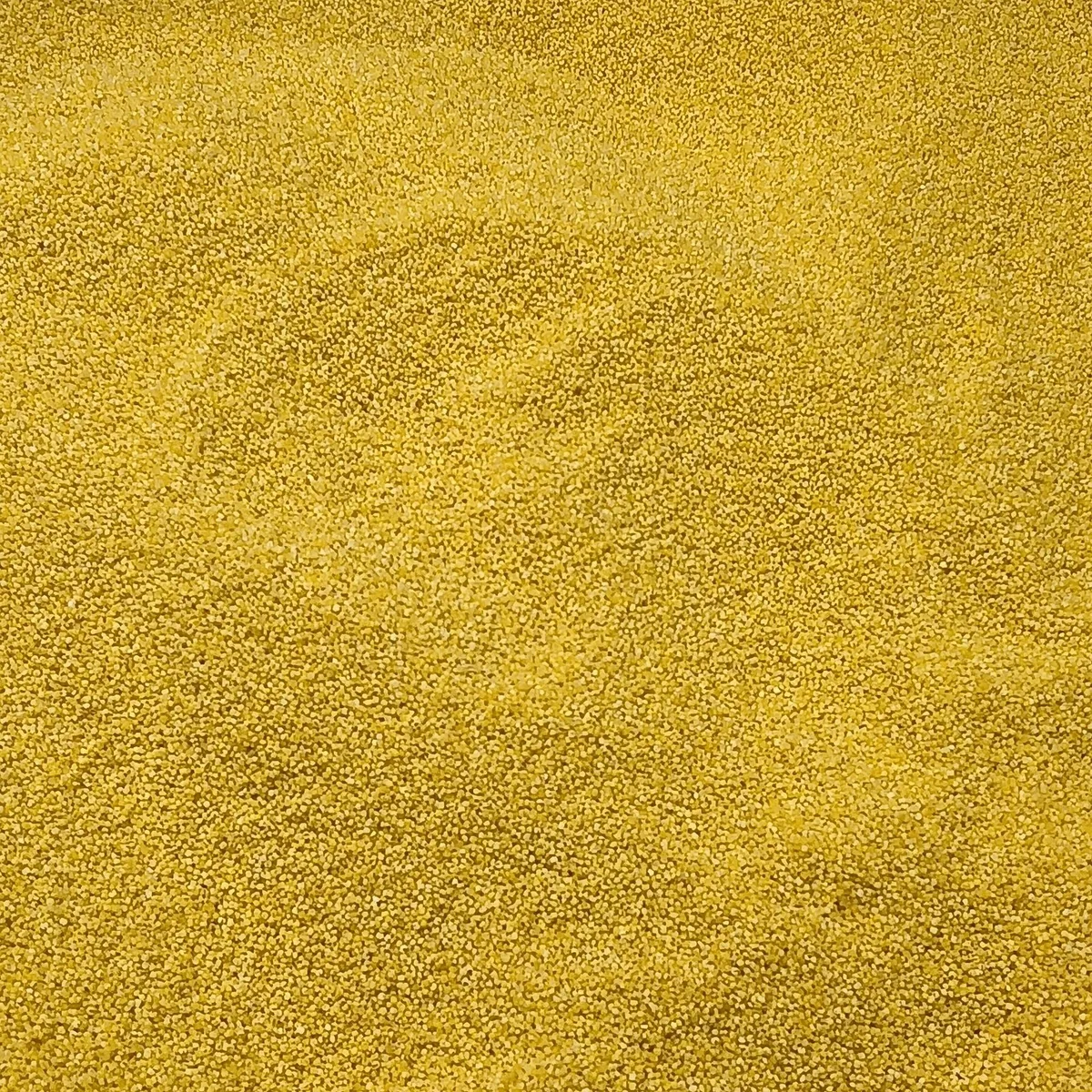
Calories per serving
| Serving | Kcal | P | F | C |
|---|---|---|---|---|
| Tablespoon of porridge, 30 g | 29 | 1.0 | 0.3 | 5.7 |
| 100 g | 98 | 3.2 | 0.9 | 19.0 |
| Serving, 150 g | 147 | 4.8 | 1.4 | 28.5 |
| Plate, 250 g | 245 | 8.0 | 2.3 | 47.5 |
Your plate isn't the average one
The table shows average reference values. Take a photo of your plate: we will count the composition, macros and FoodMate Score of exactly your serving. Free, no sign-up, the photo is not stored.
Drop a food photo here
Or choose a file from your computer. A regular top-down photo of the plate in daylight works best.
FoodMate Score of the food
This is a score for the food on its own, by its composition per 100 g, using the same formula the app applies to a meal. On a plate with other foods the result will differ: buckwheat with vegetables scores higher than buckwheat alone.
How it changes with different cooking methods
| Version | Serving |
|---|---|
| Porridge with water | 147 kcal |
| Porridge with 2.5% milk, no sugar | 172 kcal |
| Porridge with pumpkin, water | 112 kcal |
| With butter (150 g and 10 g butter) | 222 kcal |
| Dry millet, 43 g (about 150 g porridge) | 147 kcal |
Micronutrients
Values for a standard serving, as a percentage of the daily value for an adult.
| Nutrient | Per serving | % DV |
|---|---|---|
| Copper | 0.2 mg | 20% |
| Phosphorus | 150 mg | 21% |
| Magnesium | 66 mg | 16% |
| Manganese | 0.4 mg | 20% |
| Vitamin B1 | 0.2 mg | 13% |
Calories in millet and millet porridge
Dry millet has 342 kcal per 100 g: 11.5 g of protein, 3.3 g of fat and 66 g of carbs. When cooked it absorbs a lot of water, so 100 g of porridge made with water comes to about 98 kcal. The exact number depends on thickness: fluffy porridge is closer to 115 kcal, thin porridge closer to 85. A 150 g serving is 147 kcal on average.
Porridge with milk, pumpkin and butter
Millet porridge with 2.5% milk and no sugar is about 115 kcal per 100 g: the milk adds calories and protein. With pumpkin it is lighter, about 75 kcal, because pumpkin replaces some of the grain. A 10 g piece of butter turns a 150 g serving into 222 kcal, and a teaspoon of sugar or honey adds about 30 more.
How much dry millet per serving
A 150 g serving of porridge takes about 43 g of dry millet, that is 147 kcal. Use three to four times as much water as grain. A 200 ml glass holds about 170 g of millet, 580 kcal, which makes almost a kilogram of porridge. Rinse the millet with hot water before cooking: it removes the bitterness.
What millet is good for
Millet is a good source of copper, phosphorus, magnesium and B vitamins, and it is gluten-free. It has slightly less protein than buckwheat and less fiber, so the fullness does not last as long. For breakfast millet porridge works well with protein, an egg or cottage cheese, and with pumpkin or apple instead of sugar.
How to count your serving
Weigh the dry millet and multiply by 3.42, counting milk, butter and sugar separately. If the porridge is already in a bowl with toppings, take a photo in MyFoodMate AI and the app counts everything together.